Bookham Common 25 June 2022

Sixteen members set off in overcast and slightly breezy conditions hoping that, even if bird sightings were to be relatively rare, we might come across some interesting butterflies.

We crossed the Central Plain first, where we saw several Common Whitethroats, plus Gold- and Greenfinches and the odd Robin.  A couple of tall Common Spotted Orchids also caught our attention.  Once past the Plains Car Park, we followed the road towards Manor Cottage, briefly entertained by an overflying Grey Heron.  A rain shower didn’t hold us up for long, and we made our way to the Hundred Pound Bridge.  On the way, a few Swallows and Swifts were spotted, and then a Cuckoo flew over, the bird of the day.

As the sun came out and the temperature rose, our attention turned increasingly to butterflies: we saw Speckled Wood, Comma, Red Admiral, Silver-washed Fritillary, Meadow Brown, Ringlet and, pleasingly, several White Admirals.  We paused for a while at the well-known Purple Emperor hotspot but sadly were not rewarded with a view of this rare treasure.  Nevertheless, we enjoyed wandering along the recently-widened woodland rides, where Large and Small Skippers were added to our butterfly list, as well as a newly-emerged Emperor Dragonfly.

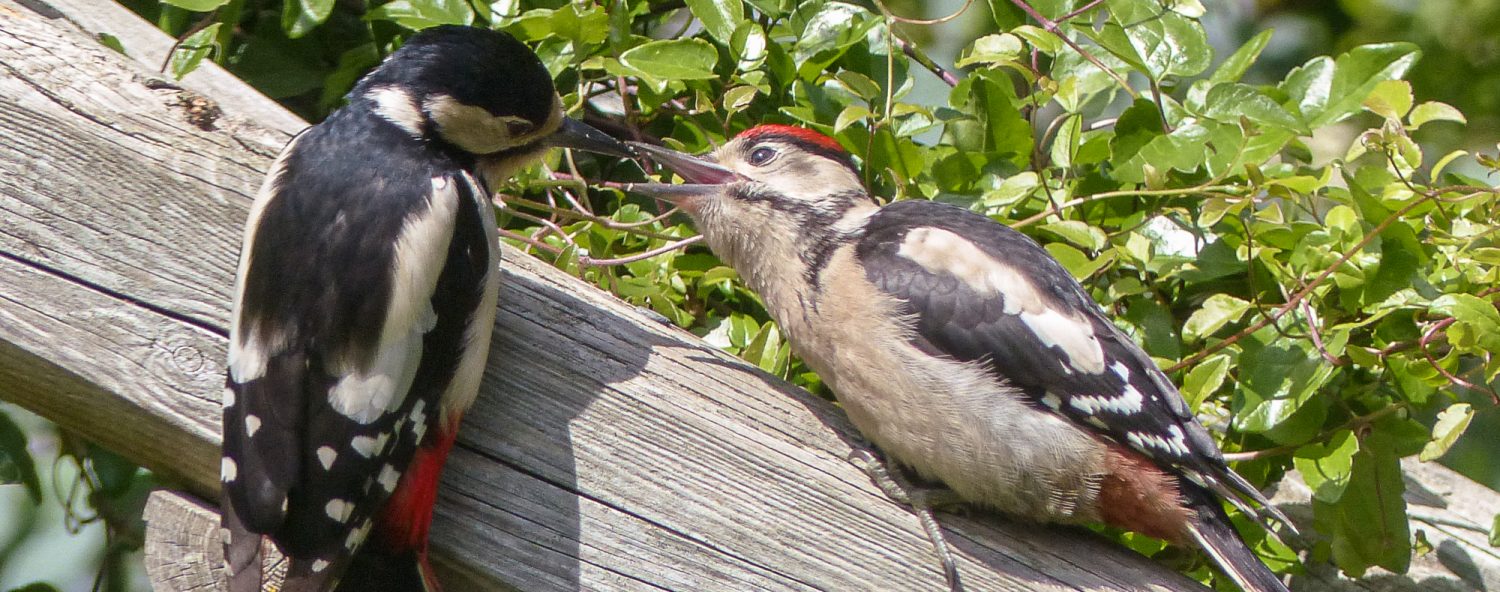
As we headed south along a less-frequented path through the wood, we heard plenty of Blackcaps and Chiffchaffs plus both Great Spotted and Green Woodpeckers.  The odd Buzzard also mewed overhead.  The bird hide produced no water-birds at all on this occasion but we did see a couple of Stock Doves and Woodpigeons in the surrounding trees. Despite the slightly disappointing weather conditions the outing was enjoyable with the total number of bird species recorded 21.

Chobham Common 16 June 2022

Six members and three visitors assembled at the Jubilee Mount car park in an evening search for nightjars. The night was sultry and the air full of the perfume of cooling vegetation. A short way along the roadside path was a colony of silver-studded blue butterflies with the odd common blue among them, mainly perched offering excellent photo opportunities. During the descent to the heath a roebuck galloped beside the path and a female stonechat perched on the gorse. An occasional chiffchaff sang but the common was generally quiet. The concentration was accordingly more on non-avian species, at least until dusk. First came a pair of beautiful early marsh orchids and then in small ponds a dozen or so newts identified as palmate by the webbing on their feet. In mid-heath a couple of Dartford warblers called distantly and a peregrine streaked overhead. At the main pond the sparse bird list was increased by singles of mallard, moorhen, whitethroat and song thrush. By the crossroads on the main track the action finally began. First came churring from several directions; then two nightjars were seen to the south, calling and wing clapping as they flew. Two more circled the group near the crossroads giving excellent views. More were heard churring on the return path and when approached took to the air providing further entertainment. Despite a list of only sixteen birds identified the evening proved to be an outstanding nightjar experience.

Whitmoor Common 5 June 2022

A forecast of rain all day and a dank, dismal morning limited the gathering at the Jolly Farmer to six foolhardy souls. It seemed though that the rain had passed through quicker than expected and we had to contend with no more than damp conditions. We ventured first behind the pub and saw an agitated great spotted woodpecker disturbed no doubt about our proximity to its nest. Moving rapidly on we checked the area with feeders to find they had been removed. As a result sightings were confined to a dunnock, robins, a jay and a collared dove. Moving on to the woods we encountered a group of newly fledged great tits and heard chiffchaffs singing. Along the boardwalk we noted how overgrown the heath was becoming. Soon though we heard the scratchy song of a Dartford warbler and then saw a second conveniently perched in a pine. A few linnets flew around and a single stonechat was silhouetted at the top of a tree. A noisy squawk then alerted us to a crow mobbing a kestrel. Crossing the railway bridge we heard a blackcap and a couple of assertive wrens while from the heather came the songs of two whitethroats. The return across the heath gave us further sightings of Dartford warblers, some of them recently fledged. The bird of the walk though was the great spotted woodpecker; over the morning we counted eight of them pipping away right across the reserve. In the conditions a species list of 27 was perhaps better than might have been expected.

Farnham Heath 22 May 2022

Fourteen members met for the group’s first visit to the RSPB Farnham Heath reserve for three years on a warm and sunny Spring morning. Immediately the call of a cuckoo was heard and repeated intermittently throughout the walk while a buzzard soared overhead. At the entrance we had a brief view of a spotted flycatcher and a greenfinch while the songs of chiffchaffs and blackcaps rang out around us. Out on the heath we enjoyed the first Dartford warbler of the day; we were to see nine in total, a remarkable number for a bird that was absent from the reserve only a few years ago. Naturally there was a similar number of stonechats in close proximity including a newly fledged juvenile. A tree pipit provided extended entertainment with its parachuting and tuneful display flights. A redstart was distantly glimpsed while those at the front of the group saw a couple of woodlarks before they concealed themselves in the heather. Whitethroats scratched out their songs around the reserve while in the wooded areas willow warblers fluted and a garden warbler demonstrated why its song is sometimes described as a blackcap’s on steroids. The pool held so little water that it might be called a puddle but around it a few broad-bodied chasers and azure damselflies were in flight. Soon after we saw a pristine four-spotted chaser perched in close proximity. It was though a Dartford warbler that provided a finale circling us in a distraction flight as we inadvertently strayed too close to its nest. It was a productive morning with birds of excellent quality in a species list of 33.

Newlands Corner 12 May 2022

A party of nineteen assembled near the Newlands Corner visitor centre on a bright sunny morning, eagerly anticipating a walk in a location new for the group. Wrens, chaffinches, song thrushes and blackbirds were in good voice while a blue tit enjoyed the feeders in the revamped wild life garden. We began with a descent of Albury Down through thickets that were alive with singing whitethroats a couple of which gave fleeting views. A kestrel hovered in front of us while two buzzards could be seen circling high above. Two swifts swooped past closely followed by a house martin and some swallows. Chiffchaffs and blackcaps started to make their presence felt. The farm at the bottom of the Down was the home of some house sparrows. There we were alerted to the presence of a sparrowhawk by the shrill alarm call of two passing swallows. As we turned west a stock dove cooed out of sight and a green woodpecker mocked our inability to see it. By now we were hearing the repeated calls of a cuckoo (or possibly two). At the foot of St Martha’s Hill we could hear both goldcrests and firecrests but could not spot them among the leaf cover. After a refreshing climb to the church we rested to the song of a greenfinch on top of the weather vane. Towards the foot of the hill on the downwards path more firecrests were singing and one allowed a brief view as it flitted about. Back on the open meadow a skylark at last ascended pouring out its sweet song. Finally in the woods we heard the songs of a coal tit and a nuthatch followed by an unusual call from within a large yew; a bird dropped to the grounds and astonishingly was identified as a hawfinch, certainly the bird of the day. As a last hurrah two nuthatches appeared on the path ahead and could be seen gathering food for nestlings. We enjoyed a most productive day with a species list of 38.

Thursley Common 5 May 2022

Seventeen met in the Moat car park to be greeted by the call of a nearby cuckoo to confirm the arrival of Spring. The morning was though somewhat cool in the northerly breeze and few birds were singing. A brief scan of the pond yielded only a couple of mallards while song on our circuit of the south bog was confined to a whitethroat and a chiffchaff. Finally as we progressed a great spotted wood drummed for us and the liquid notes of a willow warbler, the first of eight that we encountered, could be heard. Stonechats perched for us and a Dartford warbler afforded us a glimpse. Then out of the blue a hobby appeared and proceeded to give a close display of its aerial prowess, the highlight of the walk. Things went quieter as we followed the path around the exterior of Parish Field. A redstart appeared briefly drinking from a muddy pool, our only view during the morning which was disappointing for a species that can usually be sighting in good numbers in the vicinity. We next headed uphill to the song of woodlarks from hidden perches and occasional displays. Another Dartford shot by and more stonechats appeared, some taking food to nests. We made the long walk back, much lengthened by the absence of boardwalks, accompanied by the distant calls of lapwings on Pudmore. Finally not one but three hobbies appeared and provided another aerial display. An increasingly enjoyable morning produced a list of 31 species.

Pulborough Brooks 29 April 2022

Sixteen members assembled in the car park to the song of chiffchaffs, blackcaps and a willow warbler but had only one thought in mind, a quest for nightingales. So we headed immediately for the hotspots. We heard the first at the top of the zigzag path but characteristically it stayed buried deep in the thickets; the same was true of a lesser whitethroat rattling in adjacent brambles. The next three nightingales were singing around the Fattengates courtyard but only one gave the merest glimpse as it flew between perches. The fifth near Little Hangar proved far more cooperative and and perched fully in the open. The sixth near the Hangar viewpoint remained out of sight as it sang briefly while the seventh showed itself in scrub near the junction down to Jupp’s View. Despite a single species being the centre of attention there was an impressive supporting cast. A garden warbler sang near Fattengates. From the West Mead hide we had the endearing view of six Canada gosling and three tiny lapwing chicks plus a little ringed plover and two avocets on nests. For the few who paused at the Winpenny hide the reward was excellent views of a hobby. The offerings on the North Brooks were typical, plenty of wildfowl including teal and wigeon, another avocet and a few black-tailed godwits. A sedge warbler sang raucously near the Hangar and eventually perched in view. A bonus was a bank vole on a rotting stump in Fattengates. The morning was well spent with a species list of 46.

RSPB Otmoor 21 April 2022

Nine members made the long journey to the stunning reserve at Otmoor near Oxford on a bright day cooled by an easterly breeze. The car park was alive with song from a variety of competitors such as chiffchaffs, blackcaps, willow warblers, assertive wrens and a dominant song thrush. Cetti’s warblers shouted from hedgerows along the the access path and gave the odd fleeting glimpse while a whitethroat sang on top of a thicket. Lapwings were swooping and calling over the wet meadows as they defended territories. Curlews burbled occasionally but not one showed itself during the day. The feeders attracted many chaffinches and the odd tit as pheasants foraged beneath. A showy sedge warbler, the first of many, made display flights and posed openly. A passer-by pointed out the distant and barely audible reel of a grasshopper warbler. A short way along the dyke a bittern had been sighted; it was well concealed in rushes and it took numerous efforts before everyone had a glimpse of its head. A swallow flew over, the first of only two seen, and the sole hirundine species of the day. A male marsh harrier glided over the distant reeds while numerous red kites were sighted. Later kestrels and buzzards appeared but sadly no hobby. The hedges by the hide held a few passerines, reed buntings, goldfinches, a single yellowhammer and later linnets. The hide itself gave access to distant views of a pair of common cranes feeding in reeds but regularly raising their heads. Further along the causeway two oystercatchers could be seen to add to a couple of redshanks seen earlier. A barnacle goose was observed with a scattering of ducks, shovelers, teal, wigeon, shelduck, gadwall, mallard and tufted ducks. For about half the group a pair of garganey represented a stellar sighting before they characteristically disappeared from view. From the viewpoints over the reedbeds many more ducks were seen but pochard were the only new species. Two common terns were also sighted and the sound of a bittern booming was heard. On the return walk some further time spent at the feeders was rewarded by views of a greater spotted woodpecker and the continuous rattle of a lesser whitethroat that declined to reveal itself to most. Mammal sightings included some roe deer and a muntjac. An enjoyable day’s walk produced a species list of 57 birds identified.

Papercourt 14 April 2022

A beautiful spring morning attracted eighteen members to the Newark Priory car park to the sound of the first of a dozen chiffchaffs that we were to encounter. The meadow opposite held numerous jackdaws and woodpigeons, a few greylag geese and a cock pheasant. The lake gave our first view of blackcaps both male and female and their song stayed with us through the morning. The water was quiet apart from numerous coots, a few swans and two great crested grebes though we were later to find small numbers of mallards, tufted ducks, Canada geese and black-headed gulls. We proceeded clockwise around the lake hearing many vocal wrens, robins and great tits and eventually the song of skylarks. A great spotted woodpecker engaged our interest for a time and we then started noticing orange-tip and speckled wood butterflies. The hidden pool was quiet apart from a single, beautifully plumaged little grebe. Leaving the lake we headed for Papercourt Farm accompanied by the yaffle of a green woodpecker. There were a few stock doves on the farm and a kestrel perched in view. Past the lock we ventured onto the edge of the water meadows and were rewarded by excellent views of reed buntings and linnets. After careful scanning a sedge warbler was picked out atop a bramble but patience was required before a whitethroat finally showed it self. The return walk along the river was similarly fruitful. Another sedge warbler was heard singing before perching in view while a whitethroat appeared next to it. Then unusually a handsome Cetti’s warbler joined them while a stonechat completed the quartet. Final sightings of a mistle thrush and a grey heron were the icing on the cake. It was a most enjoyable morning with an excellent list that totalled 48 species.

Tices Meadow 20 March 2022

Twelve members joined Sean on a sunny morning for a walk to Tice’s Meadow. Two mistle thrushes foraging on the playing fields got us off to a good start, followed by the first of several chiffchaffs and two song thrushes in the trees. Sean reported that Tongham Pond held little of interest & that the path was very muddy, so we headed straight to Tice’s Meadow. A lucky few in front saw a pair of bullfinches. The workings held the usual range of waterbirds – great crested grebes, shoveler, teal, gadwall, tufted ducks, cormorants, black-headed & herring gulls and lots of coots & Canada geese. A pair of little grebes was on the “Bat” Pond. The “escaped” male goldeneye was still present , a little egret flew over and we heard Cetti’s warbler, only recorded on the site for the first time this year. Sadly there was no sign of the little ringed plover reported earlier in the week and we were too early for any sand martins. Various raptors were seen, but all flying very high up. Goldfinches were the most numerous species on the feeders, although a male greenfinch was also seen. Just before we got back to the car park, Sean spotted a small flock of redwings in an adjacent park and a nuthatch in an oak. An enjoyable morning with 47 species counted.