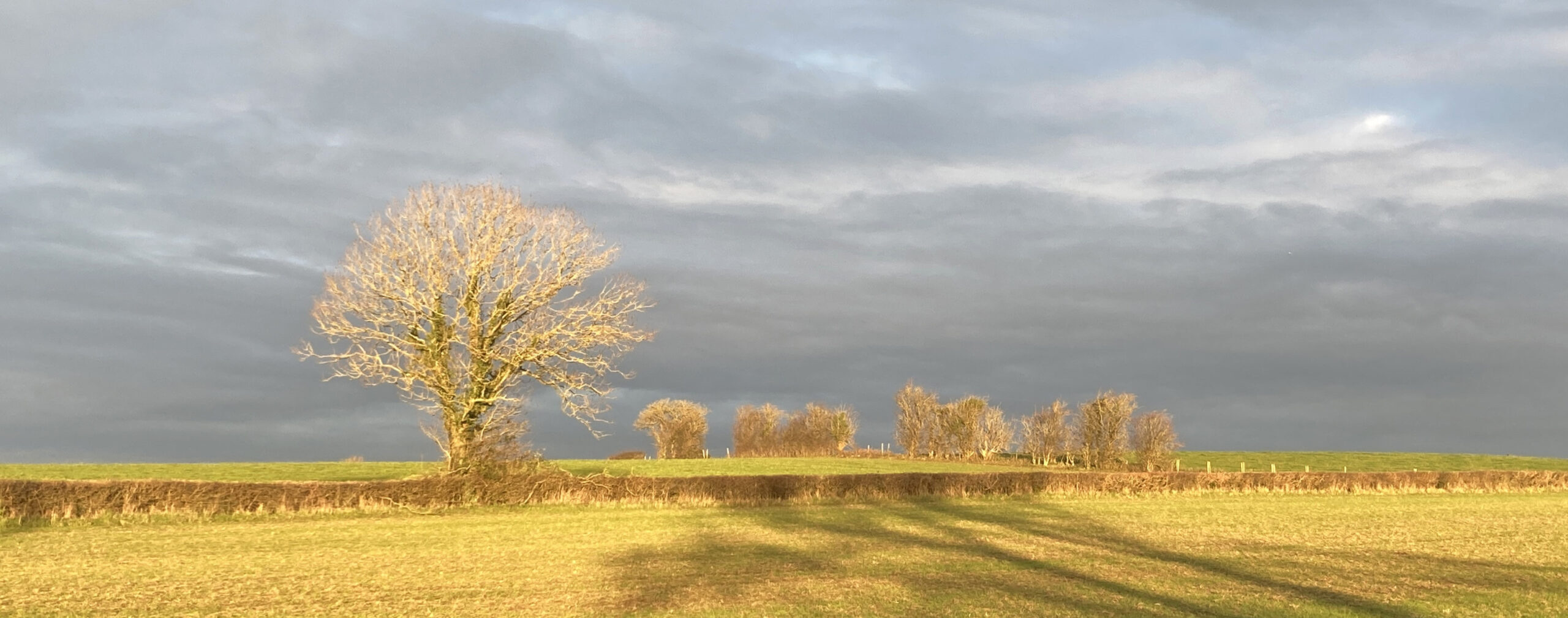
Five members braved the wind and poor forecast to assemble on the seawall at Leysdown. With the tide at its height there was little to see offshore apart from a great crested grebe but a green woodpecker provided entertainment in the thickets. From the Shellness car park a large flock of Brent geese could be seen feeding on the marshes while skylarks ascended in full voice and numerous meadow pipits flitted around. A couple of red-legged partridges flushed. At the shoreline there was a scattering of waders, initially redshanks, dunlins and turnstones but then numerous oystercatchers. From the shelter of the blockhouse a couple of curlews and a handful of ringed plovers could be seen and then a pristine male marsh harrier was spotted chasing a passerine. The sea remained quiet with a possible diver briefly seen but not identified. The next venue was the central beach in Leysdown where the waders at the waters edge included a dozen sanderlings. Following a search of the beach the target was seen; seven shore larks that had spent the winter locally were foraging on grassy scrub no more than twenty yards distant allowing cracking views. The next destination was the Harty Ferry raptor point. From the roadside waterfowl were observed including mallards, coots, gadwall, shovelers, pochards, mute swans and greylag geese. About forty common gulls roosted on the bank and two snipe flew briefly into view. Further along the road a dozen corn bunting could be seen at close quarters while at the raptor point the rain had closed in limiting final sightings to a large flock of stock doves spread over a ploughed field and a Cetti’s warbler in reeds. Despite the premature end of the walk the species list for the day reached 42.

Local Group